



Imagine you’re running a thriving small business in Nakuru, and a big order just came in – one that requires a brand-new, high-capacity printing machine. Or perhaps you’re a young professional in Nairobi, dreaming of owning your first car to ease your daily commute. In both scenarios, you know these assets will propel you forward, but the hefty upfront cost feels like an insurmountable hurdle. What if there was a way to acquire what you need, when you need it, without depleting your hard-earned savings?
Welcome to the world of asset financing.
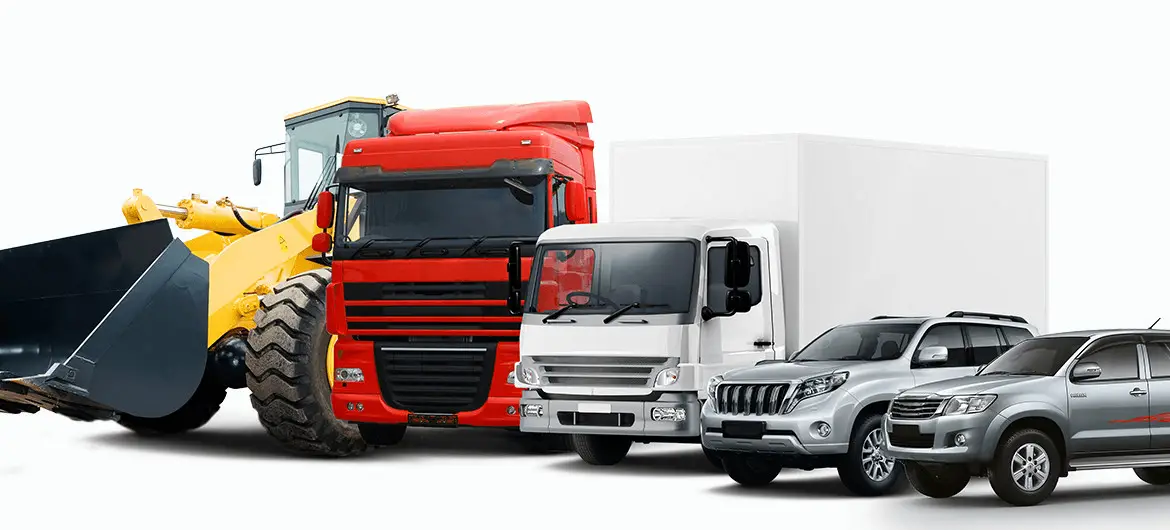
In Kenya, a nation constantly buzzing with entrepreneurial spirit and a growing middle class, asset financing has emerged as a powerful engine for both personal ambition and economic growth. It’s a financial solution that allows individuals and businesses to acquire essential assets – from state-of-the-art machinery and commercial vehicles to personal cars, laptops, and even luxury watches – by spreading the cost over a manageable period. Unlike traditional loans where you simply borrow cash, asset financing often uses the very asset you’re acquiring as security, making it a more accessible pathway to ownership or usage.
This comprehensive guide will demystify asset financing in the Kenyan context. We’ll delve into its various forms, highlight its immense benefits, equip you with crucial considerations before you apply, and walk you through the general application process. By the end, you’ll be well-prepared to make informed decisions and leverage asset financing to unlock your next level of growth.
What Exactly is Asset Financing? The Basics You Need to Know
At its core, asset financing is a specialized type of lending designed specifically for the acquisition of tangible assets. Instead of demanding a large lump sum upfront, a financial institution provides the capital to purchase the asset, and you, the borrower, repay them in regular installments over an agreed period. The defining characteristic is that the asset itself typically serves as collateral, providing security for the lender.
How does it differ from traditional loans?
While a personal loan gives you cash to use as you please, an asset finance facility is tied directly to a specific asset. This focus often makes it easier to qualify for, as the lender has tangible security.
Who offers asset financing in Kenya?
You’ll find a range of players in the Kenyan market:
- Commercial Banks: Many offer robust asset finance divisions, especially for larger businesses and established individuals.
- SACCOs (Savings and Credit Co-operative Societies): A popular option for their members, often with competitive rates and community-focused services.
- Specialized Credit Institutions: Companies like Gresa Chapaa Capital are increasingly prominent, offering fast, flexible, and often more inclusive options, especially for niche assets or clients with varied financial backgrounds, including those listed with CRB.
- Microfinance Institutions (MFIs): Cater to smaller businesses and individuals, often for productive assets.
Who can benefit from Asset Financing?
The beauty of asset financing lies in its broad applicability:
- Small and Medium Enterprises (SMEs): From a retail shop needing a new point-of-sale system to a construction firm requiring an excavator.
- Large Corporations: For fleet expansion, manufacturing upgrades, or technological advancements.
- Individuals: For personal vehicles, home appliances, or even high-value personal assets.
Navigating the Landscape: Types of Asset Financing in Kenya
The world of asset financing isn’t one-size-fits-all. Different structures cater to different needs, offering varying levels of ownership and flexibility.
1. Hire Purchase
This is perhaps the most common and easily understood form of asset financing in Kenya.
- Definition: Under a hire purchase agreement, you gain immediate use of the asset (e.g., a car, a tractor) by paying an initial deposit, and then you pay the remaining balance in fixed monthly installments. Crucially, the ownership (legal title) of the asset remains with the financier until you make the very last payment. Once all installments are cleared, the ownership is transferred to you.
- Pros:
- Eventual Ownership: You eventually own the asset outright, building equity.
- Structured Payments: Predictable, fixed installments make budgeting easier.
- Immediate Use: You get to use the asset from day one to generate income or fulfill a need.
- Cons:
- No Ownership Until Fully Paid: You cannot sell or significantly modify the asset without the financier’s consent until it’s fully paid off.
- Risk of Repossession: If you default on payments, the financier has the right to repossess the asset.
2. Leasing (Operating Lease & Finance Lease)
Leasing is often favored by businesses looking for flexibility or tax advantages.
- Operating Lease:
- Definition: Think of it as a long-term rental. The financier (lessor) buys the asset, and you (the lessee) pay regular “rent” for its use over a specified period. At the end of the lease term, you return the asset to the lessor, or you might have an option to renew the lease or purchase the asset at its market value.
- Pros:
- Flexibility & Upgrade Cycle: Ideal for assets that rapidly depreciate or become obsolete (e.g., IT equipment, certain machinery), allowing you to upgrade regularly.
- Off-Balance Sheet Financing: Lease payments are often treated as operating expenses, potentially freeing up balance sheet space and improving financial ratios.
- Maintenance Often Included: Some operating leases include maintenance packages, reducing your operational burden.
- Cons:
- No Ownership: You never own the asset.
- Mileage/Usage Restrictions: May have clauses on how much you can use the asset.
- Finance Lease (Capital Lease):
- Definition: This is very similar to hire purchase in outcome. While the legal ownership technically remains with the financier for the lease term, for accounting and tax purposes, it’s treated as if you own the asset. At the end of the term, you usually have an option to purchase the asset for a nominal fee (often called a ‘balloon payment’).
- Pros:
- Effective Ownership: You enjoy almost all the benefits and risks of ownership.
- Tax Benefits: Can often claim depreciation allowances and interest expense deductions.
- Cons:
- Long-term Commitment: Less flexible than an operating lease.
- Responsibility for Maintenance: Typically, you’re responsible for maintenance and repairs.
3. Asset-Backed Loans (e.g., Logbook Loans, Executive Asset Loans)
This category focuses on leveraging existing assets you already own to secure a loan.
- Definition: You use an asset you already possess – such as a car (logbook loan), a high-value watch, a laptop, or a smartphone – as collateral to secure a cash loan. The financier places a charge on the asset’s title or holds the physical asset (for ‘executive assets’) until the loan is repaid.
- Pros:
- Quick Access to Funds: Often faster approval processes than unsecured loans due to the tangible security.
- More Lenient Requirements: Can be accessible even for individuals with varying financial backgrounds, including those listed with the CRB, as the asset mitigates risk for the lender.
- Larger Loan Amounts: The value of your asset determines the potential loan amount.
- Cons:
- Risk of Asset Repossession/Forfeiture: If you default, you risk losing your valuable asset.
- High Interest Rates: Depending on the lender and risk profile, interest rates can be higher than traditional secured loans.
- Asset Depreciation: The loan amount is tied to the current value of the asset.
4. Car Financing
A highly popular segment in Kenya, bridging personal and business needs.
- New vs. Used Car Financing: Most financiers offer options for both, with terms and interest rates varying based on the car’s age, make, and model.
- Typical Terms and Requirements: Generally involves a down payment (e.g., 10-30%), repayment periods of 12-60 months, and comprehensive insurance as a prerequisite.
Other Common Assets Financed:
The scope of asset financing extends far beyond cars. Businesses commonly finance:
- Machinery and Equipment: For manufacturing, construction, agriculture (tractors, irrigation systems).
- Commercial Vehicles: Lorries, vans, buses for logistics and transport businesses.
- Medical Equipment: For clinics and hospitals.
- IT Equipment: Servers, specialized software licenses.
- Agricultural Assets: Farm implements, processing machines.
The Power of Leverage: Benefits of Asset Financing in Kenya
Why is asset financing becoming the go-to solution for so many Kenyans? The advantages are compelling:
- Preserves Working Capital: This is arguably the biggest benefit, especially for businesses. Instead of sinking a large chunk of cash into an asset, you free up funds for day-to-day operations, payroll, inventory, or other strategic investments.
- Access to Essential Assets: It allows you to acquire the tools you need to grow, whether it’s a new delivery van for your e-commerce business or advanced diagnostic equipment for your clinic, without waiting until you’ve saved the full amount.
- Flexible Repayment Options: Financiers often tailor repayment schedules to align with your cash flow. You can negotiate monthly, quarterly, or even seasonal payments, which is particularly beneficial for businesses with cyclical revenues (e.g., agriculture).
- Potential Tax Advantages: For businesses, asset financing can offer significant tax benefits. Depending on the type of financing, you may be able to claim depreciation allowances on the asset or deduct interest paid as a business expense, reducing your overall tax burden. (Always consult a qualified tax advisor for specific guidance).
- Improved Cash Flow Management: With predictable, fixed monthly payments, budgeting becomes much easier. You know exactly how much you need to allocate, allowing for better financial planning.
- Opportunity for Growth & Productivity: By acquiring modern, efficient assets, businesses can increase production capacity, reduce operational costs, and enhance service delivery, directly translating to higher revenues and profitability. For individuals, a car might open up new job opportunities or significantly reduce commuting time.
- Builds Credit History: Consistently making timely payments on an asset finance facility helps to build and improve your credit score with CRB (Credit Reference Bureaus). A strong credit history opens doors to more favorable financing terms in the future.
Before You Apply: Key Considerations for a Smooth Process
While asset financing offers numerous benefits, it’s crucial to approach it with careful consideration and due diligence.
- Assess Your Needs Thoroughly:
- What asset do you truly need? Avoid financing assets that are ‘nice-to-have’ rather than ‘must-have’ for your productivity or income generation.
- Is it income-generating? For businesses, will the asset generate enough revenue to cover its financing costs and contribute to profit?
- What are the long-term running costs? Beyond the financing, consider fuel, maintenance, insurance, and other operational expenses.
- Understand Repayment Terms:
- Interest Rates: Clarify if the interest rate is flat (calculated on the original loan amount) or reducing balance (calculated on the outstanding balance, typically leading to lower overall interest paid). Interest rates for asset finance in Kenya typically start from competitive rates (e.g., 4% as advertised by Gresa Chapaa Capital, though this can vary significantly based on the asset, borrower profile, and market conditions).
- Fees: Ask for a full breakdown of all associated fees: processing fees, legal fees, valuation fees, insurance premiums, stamp duty, and any early repayment penalties.
- Tenure: How long is the repayment period? Ensure it aligns with the asset’s useful life and your cash flow projections (e.g., up to 24 months, or even longer for larger assets).
- Creditworthiness is Key (But Not Always a Deal-Breaker):
- Lenders will assess your ability to repay. This involves checking your credit history with CRB. A clean credit record will likely get you better terms.
- Important Note: Some financiers, like Gresa Chapaa Capital, explicitly state that “all clients are welcome, regardless of their financial backgrounds, including those listed with the CRB.” This is a significant advantage for those who may have faced past financial challenges but are now on stable footing. In such cases, the asset itself plays a more central role in risk assessment.
- Gather Required Documentation:
- Being prepared saves time. Common documents include:
- National ID and KRA PIN.
- Bank statements (personal or business) for a specified period (e.g., 6-12 months).
- Business registration documents (for companies/businesses).
- Proforma invoice or sales agreement for the asset you wish to acquire.
- Valuation report (especially for used assets or existing assets used as collateral).
- Proof of income/financial statements.
- Being prepared saves time. Common documents include:
- Calculate the Total Cost of Financing:
- Don’t just look at the monthly installment or the interest rate in isolation. Add up all costs – the deposit, all installments, and all fees – to understand the total amount you will pay over the life of the agreement. This allows for a true comparison between different financing options.
- Research the Provider’s Reputation and Transparency:
- Choose a reputable and transparent financier. Read reviews, ask for testimonials, and ensure they clearly outline all terms and conditions. Avoid lenders who are vague about fees or push you into rushed decisions.
The Application Process: From Inquiry to Asset Acquisition
While specific steps may vary slightly between financiers, the general process for asset financing in Kenya typically follows these stages:
- Initial Inquiry/Consultation:
- Contact the financier (e.g., Gresa Chapaa Capital, your bank).
- Discuss your specific needs, the asset you wish to acquire, and your financial situation. They will often provide initial guidance on eligible assets, required documentation, and indicative terms.
- Documentation Submission:
- Based on their requirements, submit all necessary documents. Ensure everything is complete and accurate to avoid delays.
- Credit Assessment & Asset Valuation:
- The financier will review your financial standing, including a CRB check.
- For new assets, they’ll verify the proforma invoice. For used assets or those being used as collateral, a professional valuation will be conducted to determine its market value.
- Offer Letter & Agreement Signing:
- If your application is approved, you’ll receive an offer letter detailing the loan amount, interest rate, repayment schedule, fees, and all terms and conditions.
- Read this document meticulously. Ask questions about anything you don’t understand. Once satisfied, you’ll sign the agreement.
- Disbursement/Asset Acquisition:
- Upon signing, the financier will typically disburse the funds directly to the asset vendor (e.g., car dealership, machinery supplier).
- You will pay your initial deposit (if applicable) directly to the vendor or as part of the financing arrangement.
- The asset is then released to you, ready for use!
Navigating the Bumps: Challenges and How to Overcome Them
Even with careful planning, challenges can arise. Being aware of them can help you navigate them effectively:
- Interest Rate Fluctuations: For variable rate facilities, market changes can affect your payments. How to mitigate: Consider fixed-rate options if available and you prefer predictability, or build a buffer into your budget.
- Repossession Risk: Defaulting on payments can lead to the repossession of your asset. How to avoid: Be realistic about your repayment capacity. Communicate with your financier immediately if you anticipate difficulties, as they may offer restructuring options.
- Documentation Hurdles: Gathering all required documents can be tedious. Tips: Maintain organized financial records. Ask the financier for a clear checklist upfront and start gathering early.
- Lack of Financial Literacy: Not understanding the fine print can lead to unpleasant surprises. Importance: Take the time to understand every clause, especially those related to fees, default, and early repayment. Don’t hesitate to seek clarification from the financier or an independent financial advisor.
- Hidden Fees: Some less reputable lenders might surprise you with charges not initially disclosed. Always: Insist on a full breakdown of all costs upfront. If a financier is evasive, it’s a red flag.
Asset financing is more than just a loan; it’s a strategic tool for growth, efficiency, and personal advancement in Kenya. Whether you’re an ambitious entrepreneur in Kisumu looking to scale your operations, a farmer in Eldoret needing new agricultural equipment, or an individual in Mombasa seeking to acquire a new vehicle, the options available today are more flexible and accessible than ever before.
By preserving your working capital, offering flexible repayment terms, and providing a gateway to essential tools, asset financing empowers you to seize opportunities that might otherwise remain out of reach. Remember to conduct thorough research, understand the terms, and choose a transparent and reputable partner.
Take advantage of the effortless processes, competitive rates, and excellent customer service offered by trusted online money lenders in Kenya. With careful planning and the right financing partner, your next significant acquisition is not just a dream, but a tangible step towards unlocking your full potential. Embrace the power of asset financing, and drive your future forward!